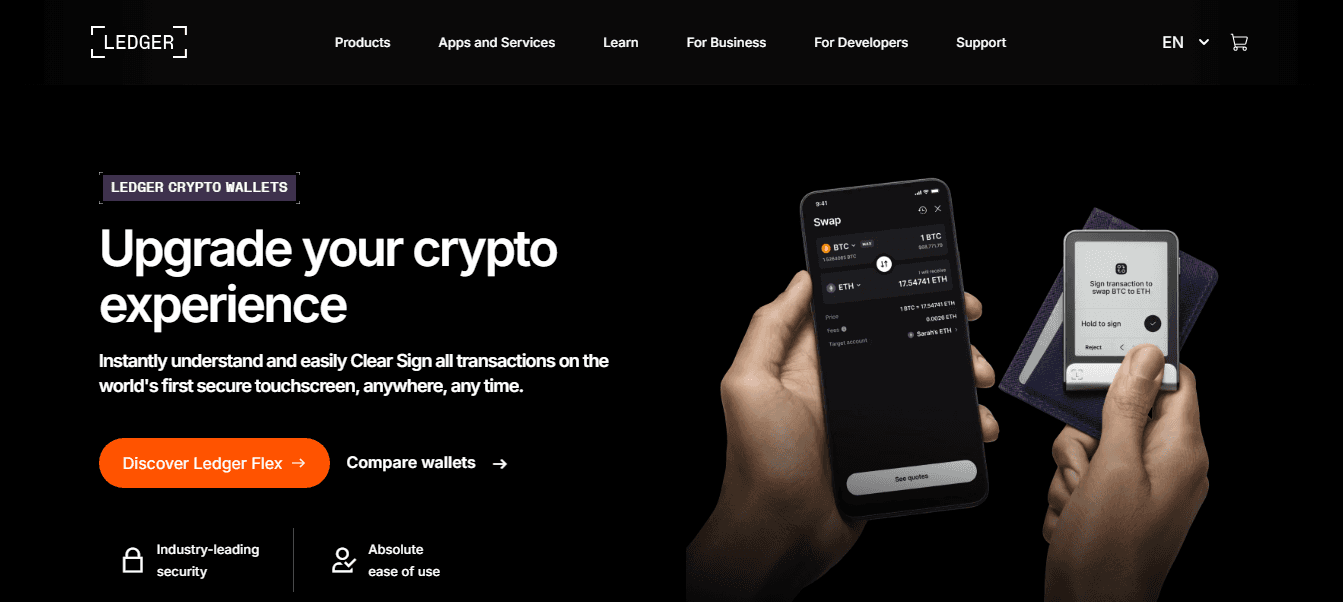
Ledger Live: The Complete Guide to Managing Cryptocurrency Safely
Ledger Live is the official application that connects with Ledger hardware wallets to provide a secure, convenient, and all-in-one platform for cryptocurrency management. Unlike online wallets or exchange accounts, Ledger Live keeps your private keys entirely offline, relying on the Ledger device for all critical actions such as signing transactions and confirming account changes.
With Ledger Live, users can view their portfolio, send and receive crypto, stake tokens, swap coins, and maintain their device firmware—all while keeping security as the top priority. This guide offers a complete overview of Ledger Live, including setup, login, features, security practices, troubleshooting, and tips to maximize both safety and usability.
Understanding Ledger Live
Ledger Live is not just a digital wallet; it is a secure interface for your Ledger hardware wallet. Its main purpose is to allow users to manage their cryptocurrencies while maintaining full control over private keys.
When you interact with Ledger Live, the hardware device handles sensitive operations internally. Your private keys never leave the device, and every action requires physical confirmation. This ensures that even if your computer is compromised, attackers cannot access or move your assets without the device in hand.
Ledger Live supports a wide variety of cryptocurrencies, making it suitable for users managing multiple types of digital assets.
Features of Ledger Live
Ledger Live is equipped with features that make managing crypto efficient, secure, and user-friendly:
1. Portfolio Overview
Ledger Live provides a real-time view of your holdings, showing each asset’s balance, market value, and historical performance. Users can track the overall value of their portfolio and monitor changes over time.
2. Account Management
Users can create multiple accounts for different cryptocurrencies. Each account corresponds to a blockchain network, allowing for organized management and tracking of balances and transactions.
3. Sending and Receiving Cryptocurrency
Ledger Live allows users to send and receive crypto safely. Outgoing transactions must be confirmed on the hardware device, ensuring that malware or keyloggers on your computer cannot manipulate them. Incoming transactions can also be verified on the device, preventing errors or address spoofing.
4. Staking and Rewards
Ledger Live offers staking options for supported cryptocurrencies. Users can stake their tokens and earn rewards directly within the application, with all staking actions confirmed on the hardware device.
5. Swap Functionality
The application allows for swapping one cryptocurrency for another without leaving the platform. Ledger Live ensures all swaps are signed securely using the Ledger device.
6. Firmware Updates
Keeping the Ledger device firmware up-to-date is critical for security. Ledger Live notifies users when updates are available and guides them through the process, requiring physical confirmation on the device.
7. Security Settings
Ledger Live lets users manage device security features, including changing PIN codes, enabling passphrases, and activating discreet mode. These options give users full control over privacy and protection.
Setting Up Ledger Live
Before you can start using Ledger Live, both the application and your Ledger device must be set up properly:
Step 1: Install Ledger Live
Ledger Live is available for Windows, macOS, Linux, iOS, and Android. Install the version compatible with your device.
Step 2: Initialize the Ledger Device
For first-time users, the device setup includes:
Setting a secure PIN
Generating a recovery seed (12, 18, or 24 words)
Confirming the recovery seed on the device
The recovery seed is essential for restoring your wallet in case the device is lost or damaged.
Step 3: Connect Ledger Live to the Device
Use the USB cable (or Bluetooth for compatible devices) to connect the Ledger hardware wallet. Ledger Live will detect the device and guide you through account addition.
Step 4: Add Accounts
Once connected, you can add cryptocurrency accounts for supported coins and tokens. Each account allows for sending, receiving, staking, and tracking transactions safely.
Logging Into Ledger Live
Ledger Live does not use traditional usernames or passwords. Instead, your Ledger device acts as the authentication method:
Connect the hardware wallet to your computer or mobile device.
Enter your PIN directly on the Ledger device.
Open the appropriate cryptocurrency app on the device.
Ledger Live synchronizes your accounts and portfolio.
Every critical action requires confirmation on the device, ensuring that unauthorized users cannot access your funds even if they have access to your computer.
Ledger Live Security Model
Ledger Live relies on a combination of hardware and software security measures to protect assets:
Offline Storage of Private Keys: Keys never leave the Ledger device.
Transaction Verification: Every transaction must be confirmed on the device screen.
PIN Protection: The hardware wallet requires a PIN to unlock, protecting it from unauthorized access.
Optional Passphrase: Users can add a passphrase to create hidden wallets for additional security.
Firmware Verification: Ledger Live checks that firmware updates are genuine and signed before installation.
This layered security approach ensures that even if a computer is compromised, user funds remain safe.
Best Practices for Ledger Live
To maximize security and efficiency while using Ledger Live:
Keep Your Recovery Seed Secure: Store it offline on paper or metal; never save it digitally.
Use a Strong PIN: Avoid simple combinations to prevent unauthorized access.
Verify Transactions on the Device: Always confirm amounts and addresses directly on the Ledger device.
Keep Firmware Updated: Regularly update the Ledger device and Ledger Live application.
Use Trusted Devices Only: Avoid public computers or shared devices for accessing Ledger Live.
Enable Passphrase Protection: Consider hidden wallets for added privacy and security.
Reject Suspicious Requests: Do not approve any transactions or prompts that you did not initiate.
Common Ledger Live Issues and Solutions
Device Not Detected
Check USB connection or cable quality
Restart Ledger Live and your computer
Unlock the device and open the correct app
Failed Transaction Signing
Ensure the correct cryptocurrency app is open on the device
Confirm the transaction on the device screen
PIN Issues
Too many incorrect attempts temporarily lock the device
A reset requires restoring the wallet using the recovery seed
Sync Errors
Ensure Ledger Live is up-to-date
Verify internet connectivity and device connection
Advantages of Using Ledger Live
Ledger Live combines convenience with strong security:
Full Control Over Assets: Private keys remain with the user.
Support for Multiple Cryptocurrencies: Manage many coins and tokens in one platform.
Portfolio Management: Track balances, transaction history, and staking rewards.
Secure Transaction Handling: Hardware device confirmation ensures safety.
User-Friendly Interface: Suitable for beginners and advanced users alike.
Conclusion
Ledger Live is a powerful application that integrates with Ledger hardware wallets to provide a secure, versatile, and user-friendly cryptocurrency management experience. By keeping private keys offline and requiring device confirmation for all actions, Ledger Live ensures maximum security while allowing users to monitor, manage, and grow their cryptocurrency portfolio.
From sending and receiving crypto to staking, swapping, and updating firmware, Ledger Live provides a complete toolkit for self-custody. By following best practices and maintaining proper setup, users can enjoy peace of mind knowing that their digital assets remain safe and fully under their control.