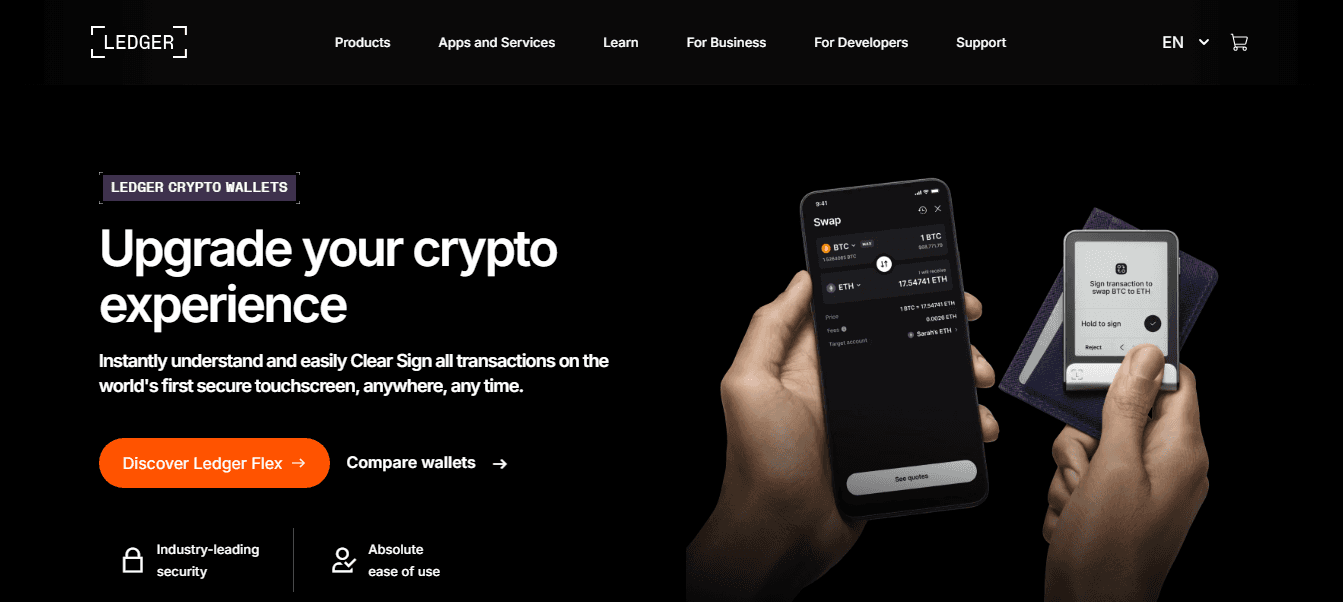
Ledger Live: Comprehensive Guide to Secure Cryptocurrency Management
Ledger Live is the official application designed to work seamlessly with Ledger hardware wallets. It allows users to manage cryptocurrencies safely, monitor portfolios, send and receive assets, stake tokens, swap coins, and update devices—all in one secure platform. Unlike standard online wallets or exchange apps, Ledger Live relies on the hardware wallet as the ultimate security layer, ensuring private keys remain offline and transactions are verified physically.
This guide explores Ledger Live in detail: its features, setup process, login mechanism, security protocols, common challenges, and best practices to maintain a secure and efficient cryptocurrency experience.
Understanding Ledger Live
Ledger Live serves as the central hub for managing all cryptocurrencies associated with your Ledger hardware wallet. It is a desktop and mobile application that provides a user-friendly interface for controlling digital assets while keeping security as the top priority.
Unlike software wallets that store private keys on devices or online servers, Ledger Live keeps your private keys protected inside the Ledger hardware wallet. All critical actions, such as signing transactions or generating addresses, are performed offline within the device, drastically reducing the risk of hacks and malware.
Ledger Live supports hundreds of cryptocurrencies, making it suitable for both casual investors and advanced users managing multiple digital assets.
Key Features of Ledger Live
Ledger Live is not just a wallet interface; it is a complete portfolio management tool. Its main features include:
Portfolio Overview
Ledger Live gives users a clear, real-time view of their holdings, showing balances, market values, and historical trends. Users can track the performance of their assets at a glance.
Account Management
Multiple accounts can be added for supported cryptocurrencies. Ledger Live organizes assets by account, allowing users to manage balances, addresses, and transaction history efficiently.
Secure Transactions
Sending and receiving cryptocurrency is done securely. Every outgoing transaction must be confirmed on the Ledger hardware device. This ensures that even if a computer is compromised, attackers cannot manipulate or approve transactions.
Staking Capabilities
Many cryptocurrencies allow staking, and Ledger Live enables users to participate directly. Staking actions are confirmed on the device, keeping funds secure while generating rewards.
Integrated Swap Functionality
Ledger Live supports swaps between cryptocurrencies within the application. Transactions are signed securely using the hardware wallet.
Firmware Management
Ledger Live handles firmware updates for Ledger devices, ensuring that your hardware wallet is always running the latest security protocols. Updates are confirmed on the device itself, preventing unauthorized modifications.
Security Settings
Users can manage their PIN, enable passphrase protection, activate discreet mode, and adjust privacy settings, giving complete control over device security and usage preferences.
Setting Up Ledger Live
Before using Ledger Live, you must set up both the software and the Ledger hardware wallet.
Step 1: Install the Application
Ledger Live is compatible with Windows, macOS, Linux, iOS, and Android. After installation, launch the application to begin setup.
Step 2: Initialize the Hardware Wallet
If you are using the Ledger device for the first time, you will need to:
Set up a secure PIN
Generate a recovery seed (12, 18, or 24 words)
Confirm the recovery seed on the device
The recovery seed is critical, as it allows you to restore your wallet if the device is lost or damaged.
Step 3: Connect Ledger Live to the Device
Plug the hardware wallet into your computer or pair it via Bluetooth (if supported). Ledger Live will detect the device and guide you through adding accounts.
Step 4: Add Cryptocurrency Accounts
Once connected, you can add accounts for supported coins. Each account corresponds to a specific blockchain network and can be used to send, receive, stake, or swap tokens securely.
Logging into Ledger Live
Ledger Live login differs from traditional account logins. There is no username or password stored on a server. Instead, the device itself authenticates access:
Connect the Ledger hardware wallet to your computer or mobile device.
Enter your PIN directly on the device.
Open the relevant cryptocurrency app on the hardware wallet.
Ledger Live synchronizes your accounts and portfolio.
Because all critical actions require device confirmation, unauthorized users cannot access your funds without physical possession of the Ledger device.
Security of Ledger Live
Ledger Live’s security model is built on the hardware wallet and a set of best-in-class protections:
Private Keys Stored Offline: Keys never leave the device, preventing malware or hackers from accessing them.
Physical Transaction Verification: All transactions must be confirmed on the device screen.
PIN Code: Protects the device against unauthorized physical access.
Optional Passphrase: Provides an additional layer of security, creating hidden wallets.
Firmware Integrity Checks: Ensures only authentic firmware is installed, preventing tampering.
This combination of hardware-level security and user-controlled verification makes Ledger Live a highly trusted tool in the crypto space.
Best Practices for Ledger Live
To maintain security and optimize usage:
Secure Your Recovery Seed: Never store it digitally; keep it offline on paper or metal.
Use a Strong PIN: Avoid simple combinations and use a longer PIN for added security.
Verify All Transactions: Check amounts and addresses on the hardware device before approving any action.
Keep Firmware Updated: Always follow Ledger Live prompts to install device updates.
Use Trusted Devices Only: Avoid public or compromised computers when accessing Ledger Live.
Enable Passphrase Protection: For added privacy, consider creating hidden wallets.
Reject Unrecognized Requests: Never approve prompts or transactions you did not initiate.
Common Issues and Troubleshooting
Device Not Recognized
Check USB connections and cables
Restart Ledger Live and the computer
Unlock the device and open the correct app
Transaction Signing Fails
Ensure the correct cryptocurrency app is active on the device
Confirm transactions directly on the device screen
PIN Problems
Too many incorrect PIN attempts will temporarily lock the device
A device reset requires recovery using the seed phrase
Account Sync Errors
Make sure Ledger Live is updated
Check internet connectivity and device connection
Advantages of Ledger Live
Ledger Live combines convenience with unparalleled security. Key advantages include:
Full Control Over Assets: Users maintain custody of private keys.
Support for Multiple Cryptocurrencies: Manage dozens of coins and tokens from one interface.
Comprehensive Portfolio Management: Track balances, transaction history, and staking rewards.
Secure Transaction Handling: Hardware device confirmation ensures safety.
User-Friendly Interface: Designed for both beginners and advanced users.
Conclusion
Ledger Live is a secure, versatile, and user-friendly application that complements Ledger hardware wallets perfectly. By combining offline key storage with a robust interface, Ledger Live allows users to manage cryptocurrencies with confidence. From portfolio management and staking to sending, receiving, and swapping assets, Ledger Live provides a complete solution for self-custody crypto management.
With proper setup, adherence to best practices, and careful use of the hardware wallet, Ledger Live ensures that your digital assets remain protected while giving you full control over your cryptocurrency holdings.